Heating & Cooling Unit Rental in Korea — From ₩20,800/mo
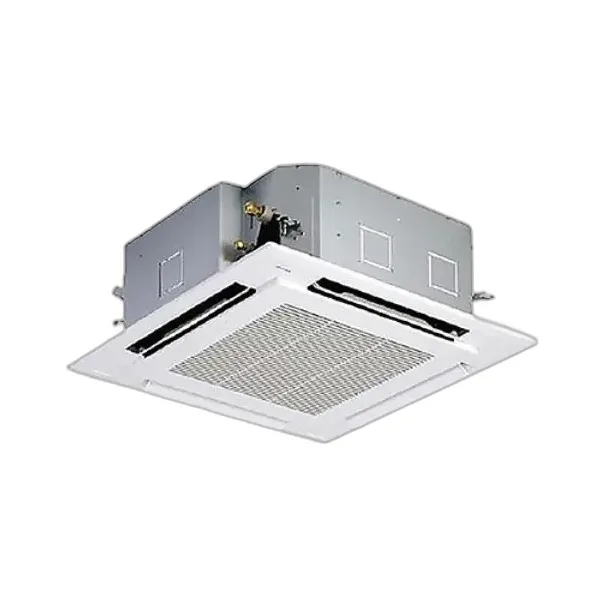
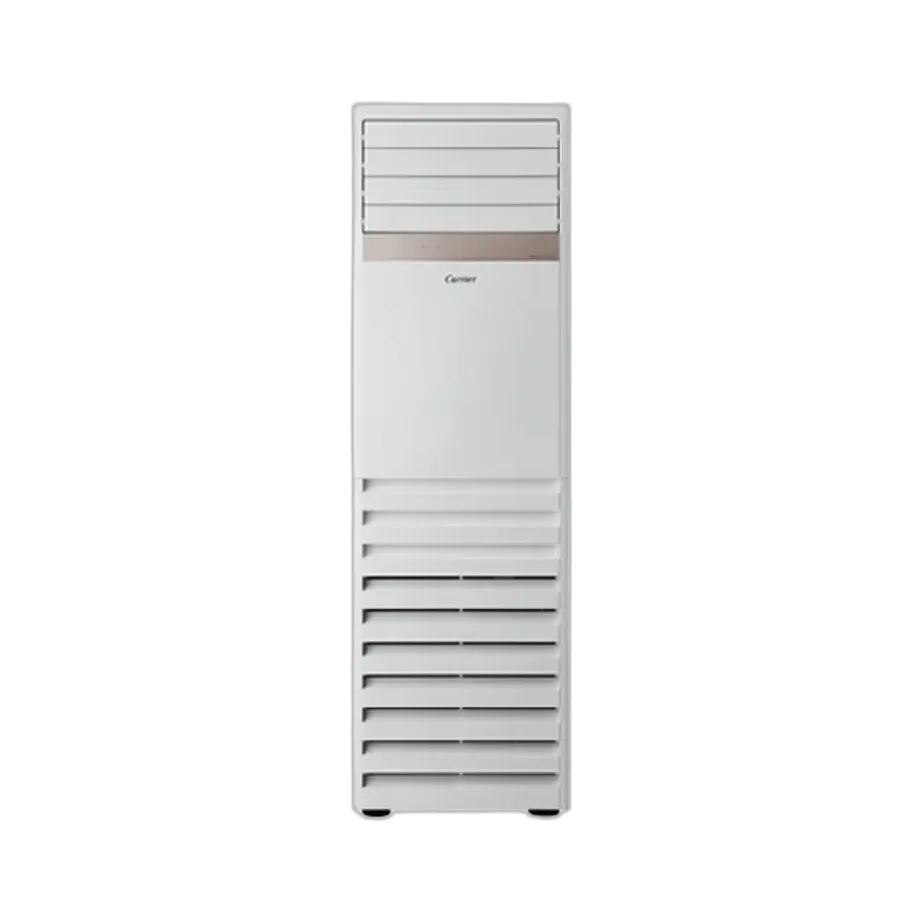
Korean summers are hot and humid and the winters drop below freezing, and a heat-and-cool wall unit covers both seasons with one machine. That is why these units are the default pick for small shops, studios, offices and one-rooms where running a separate heating line is not an option. Renting starts at ₩20,800 a month, installation is arranged through the rental company, and the 47 units below — mostly wall-mounted inverter models — are available right now. The consultation runs in 15 languages, so you can sort out the right capacity for your space in your own language.
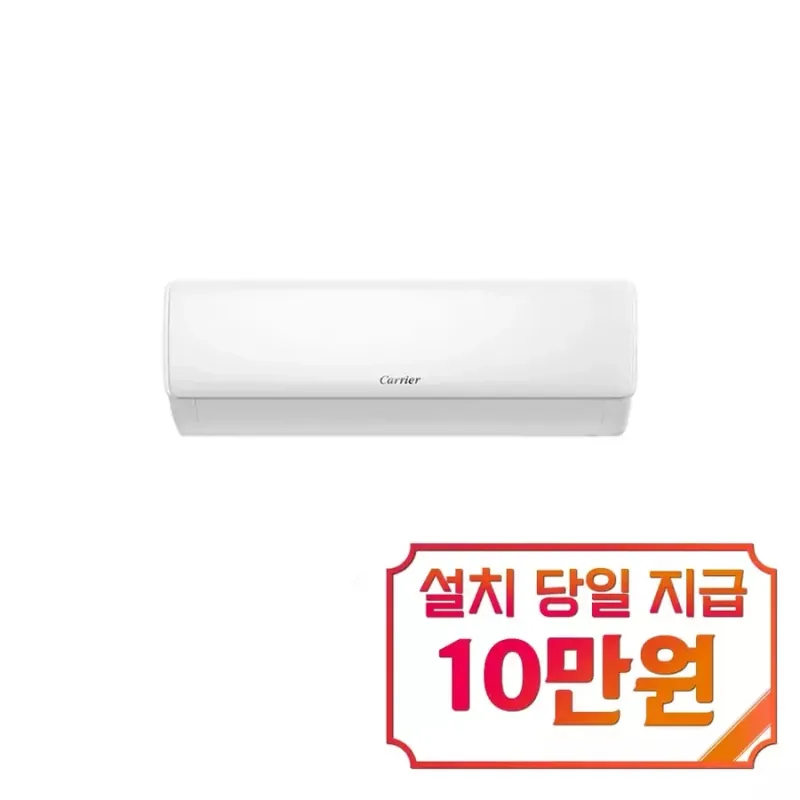
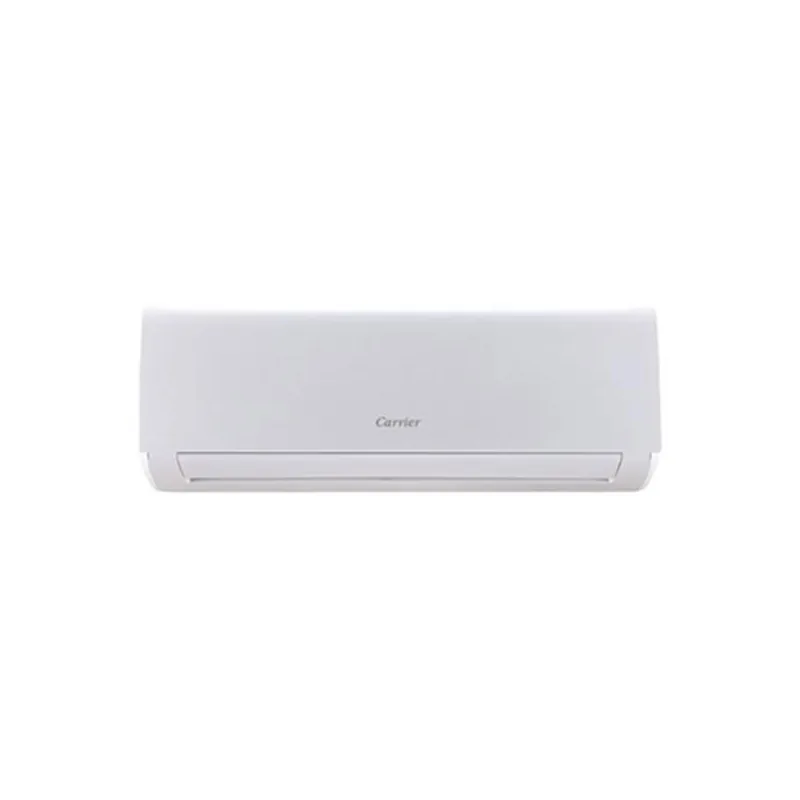
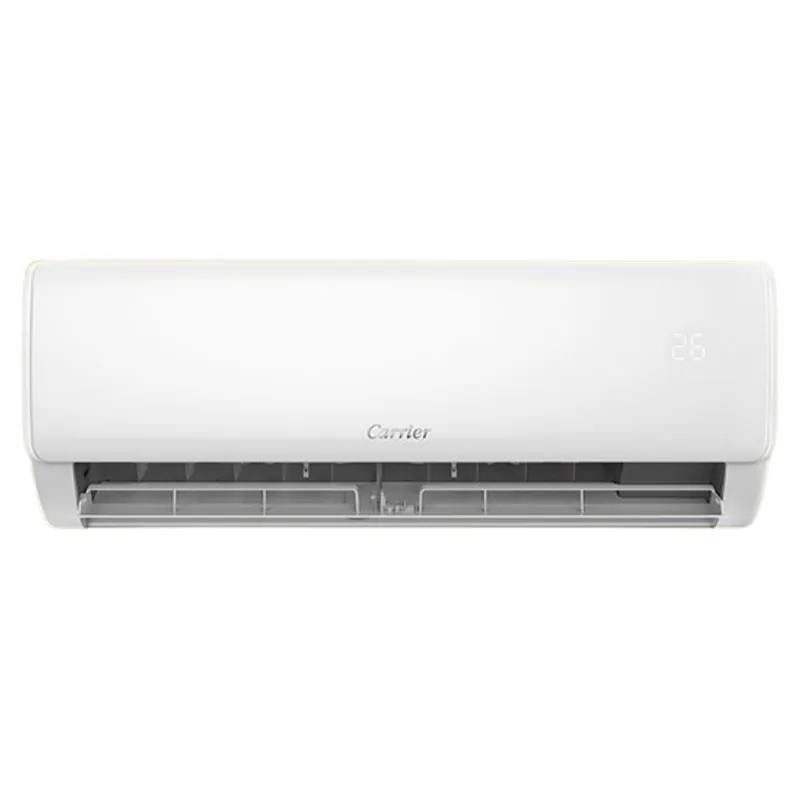
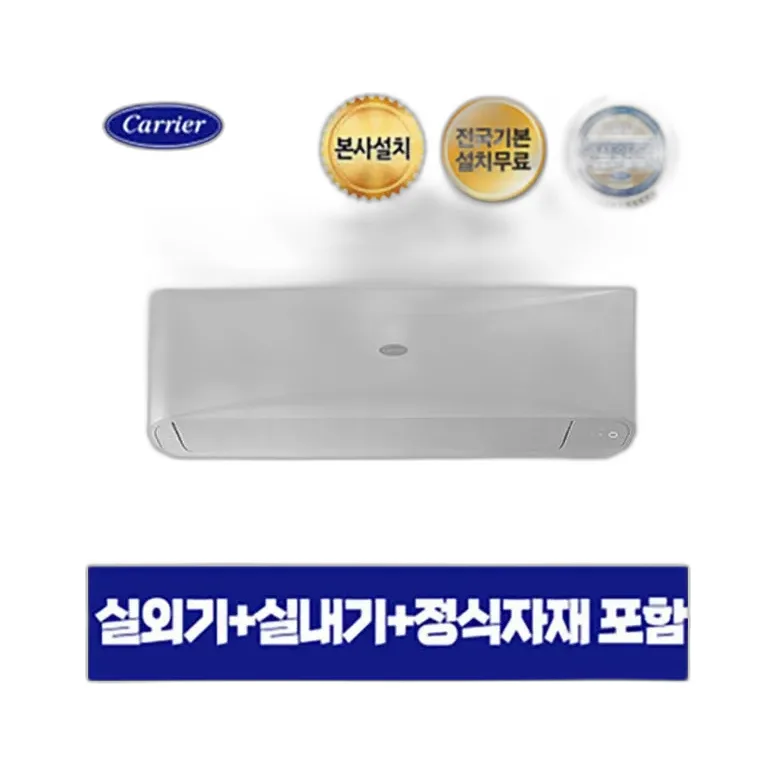
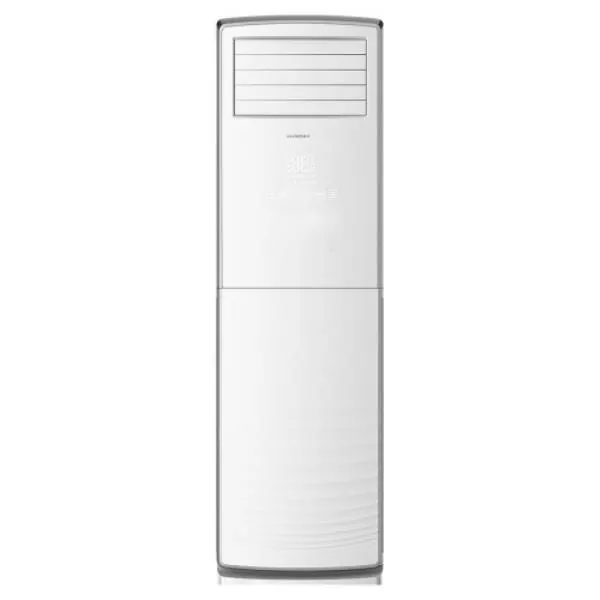
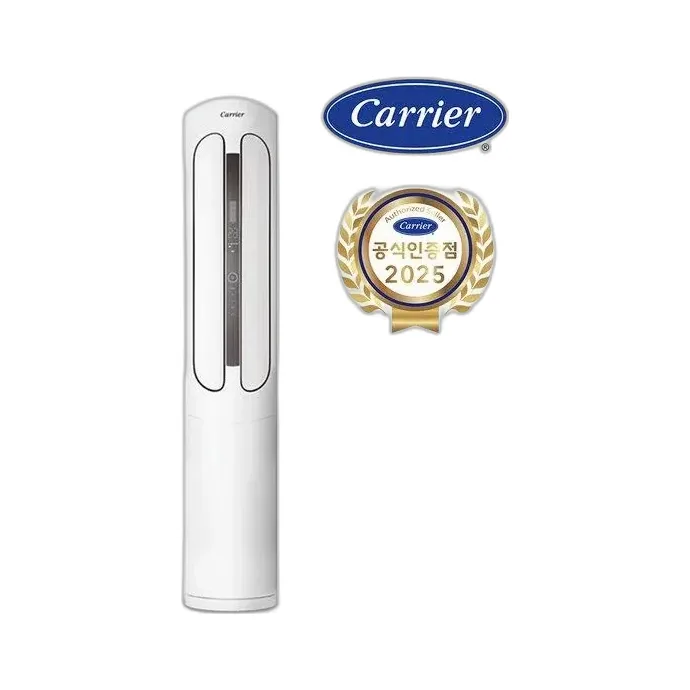
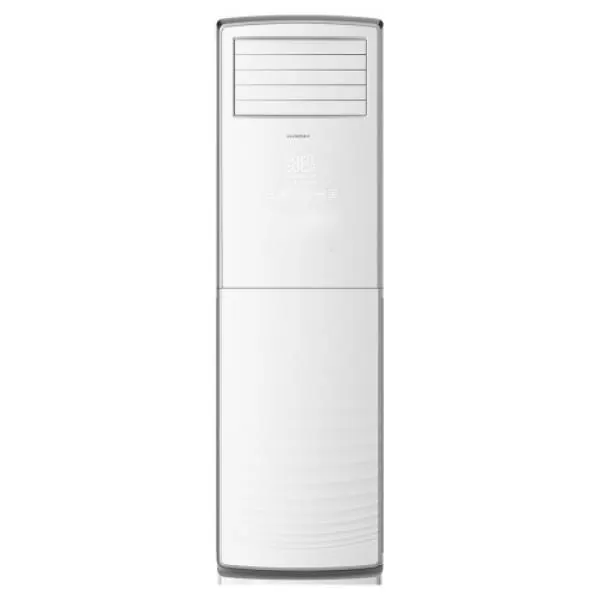
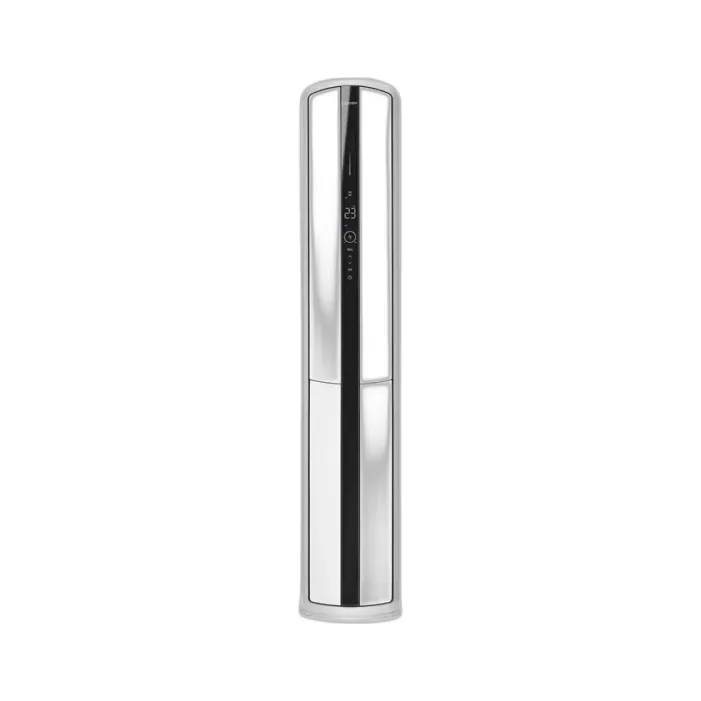
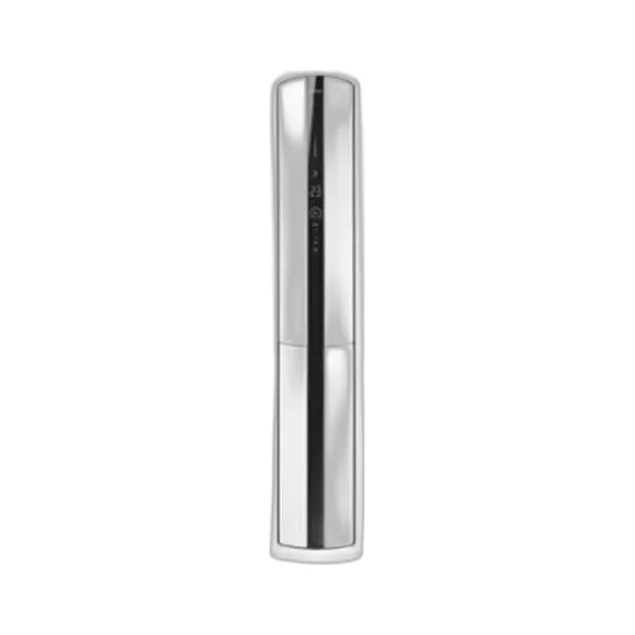
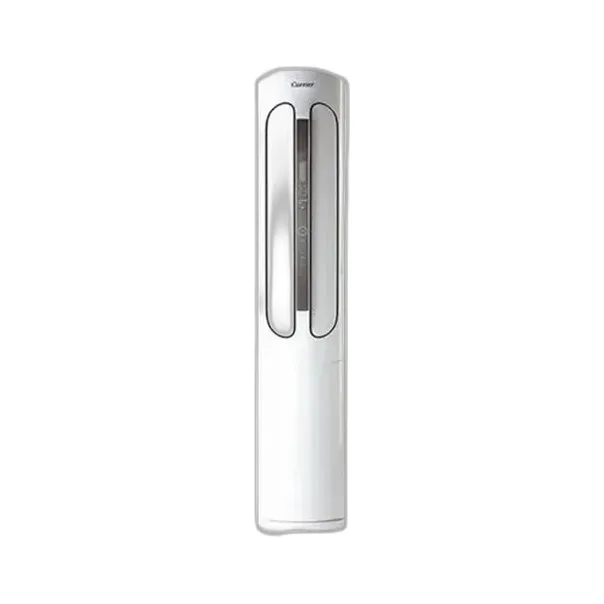
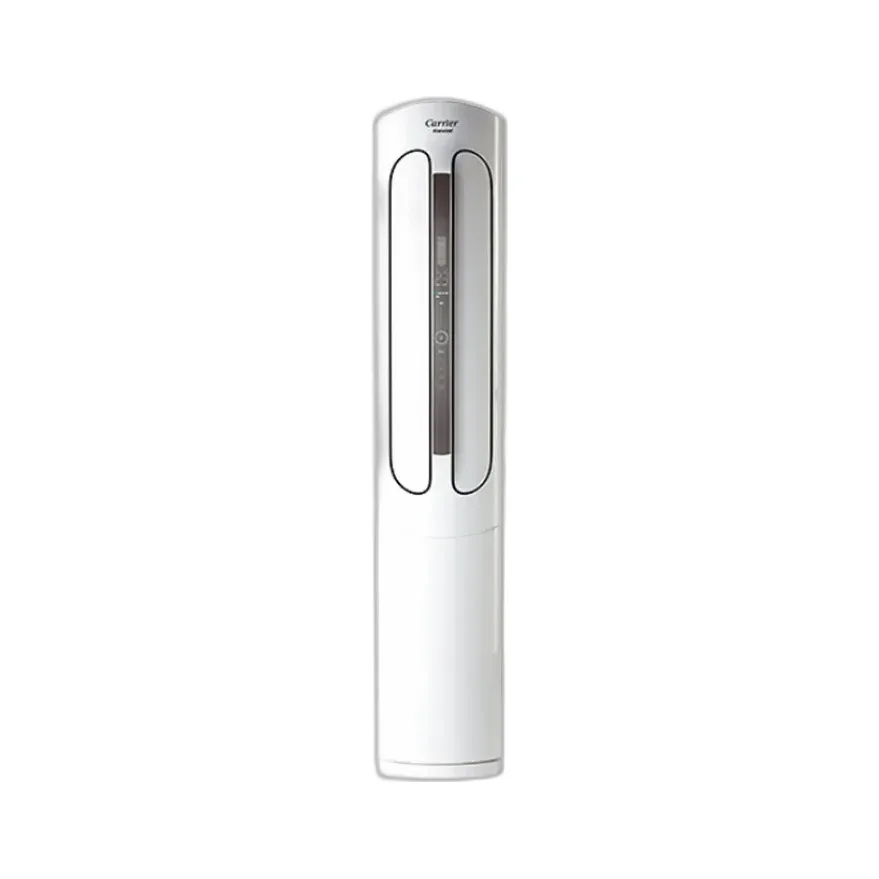
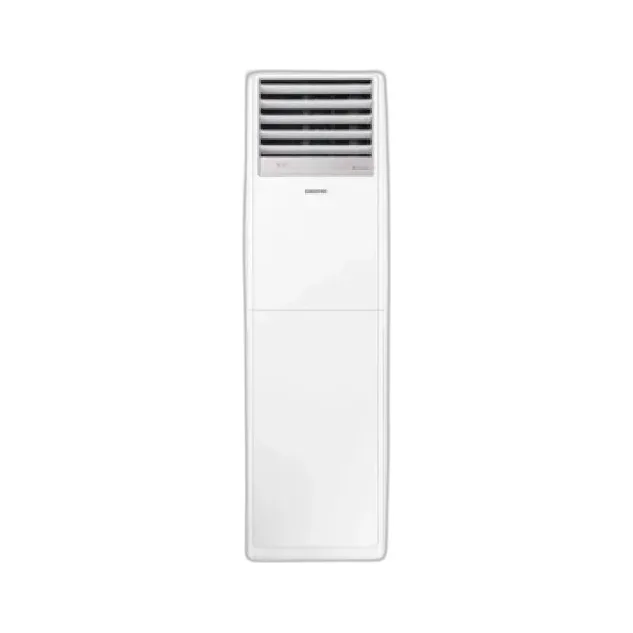
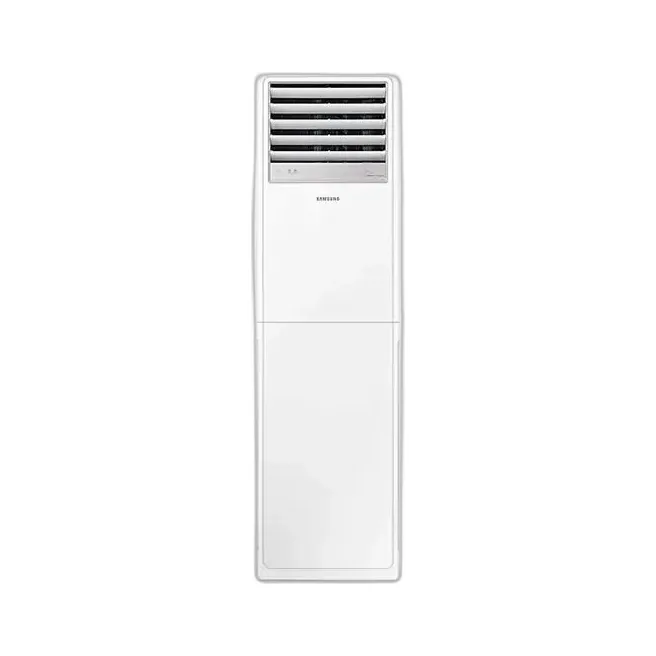
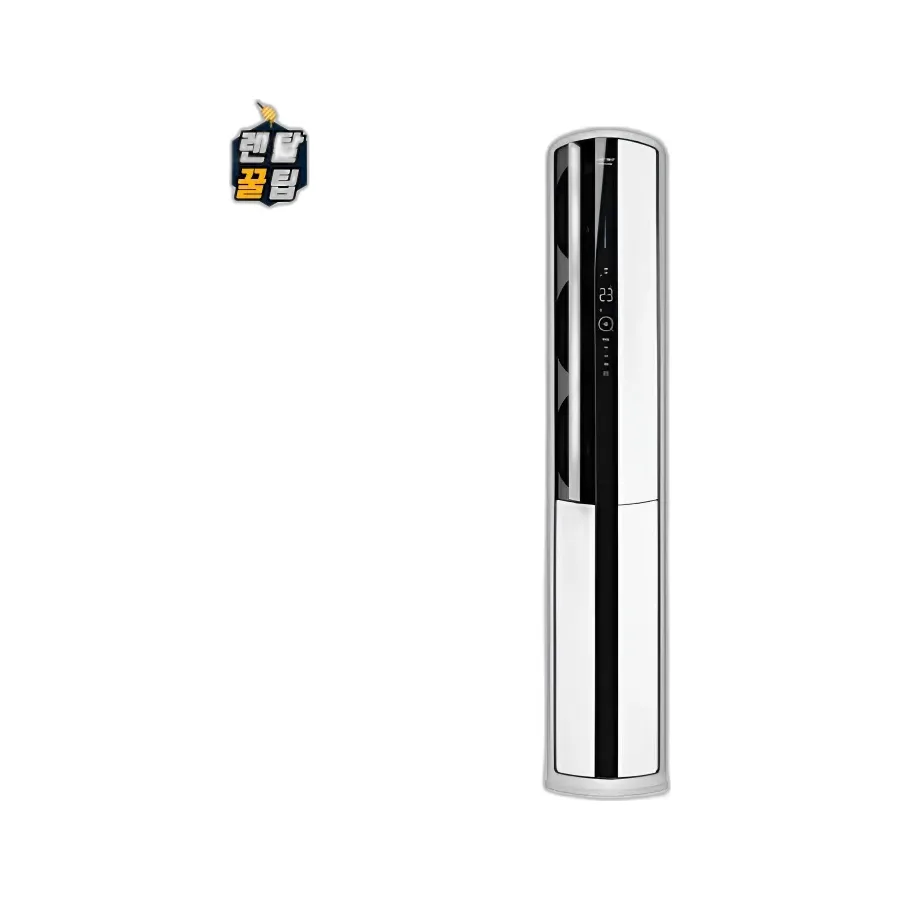
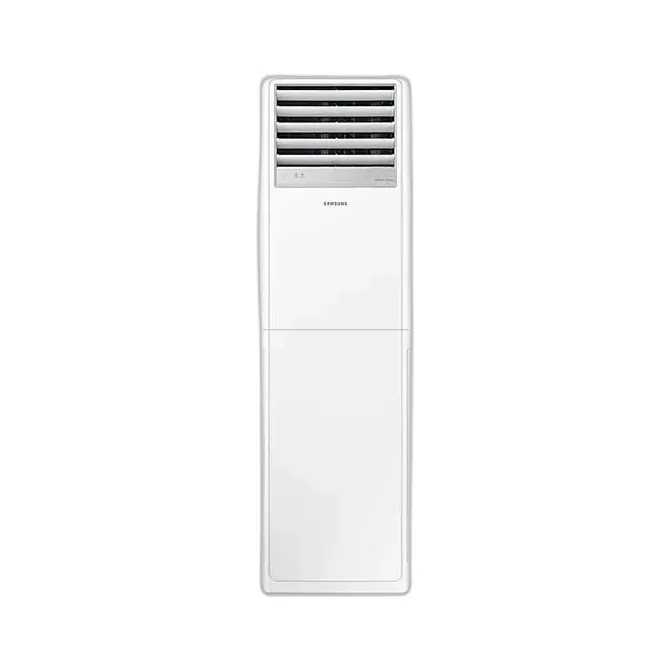
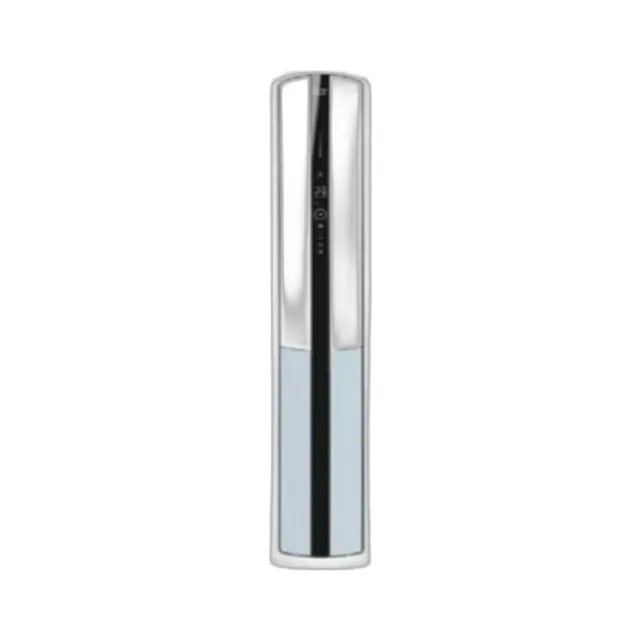
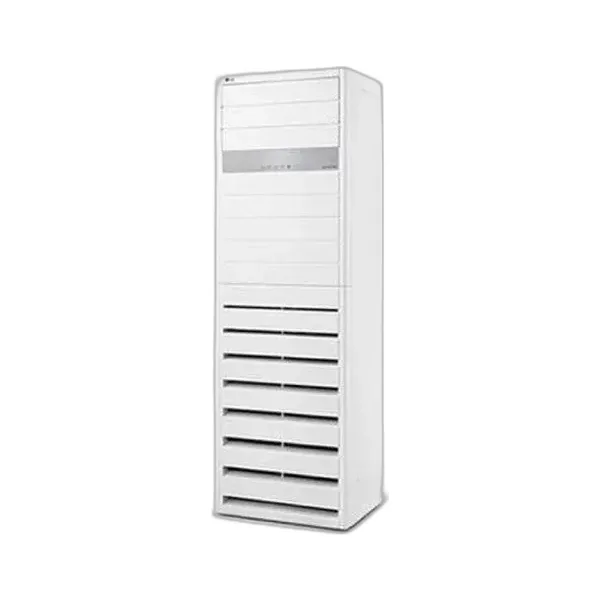
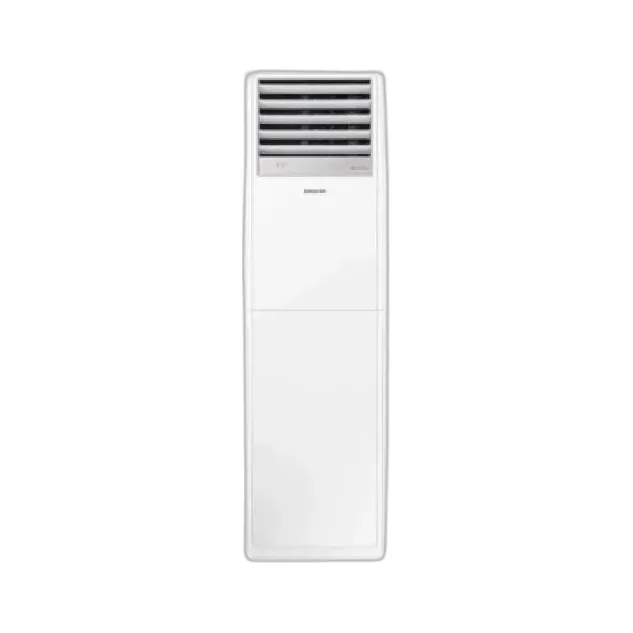
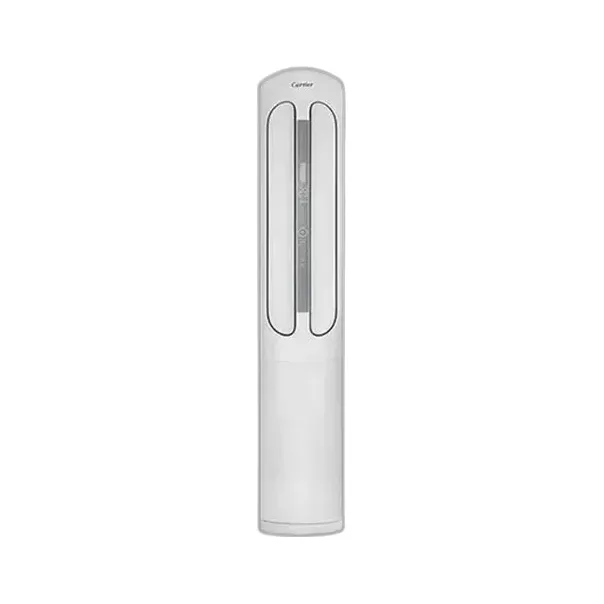
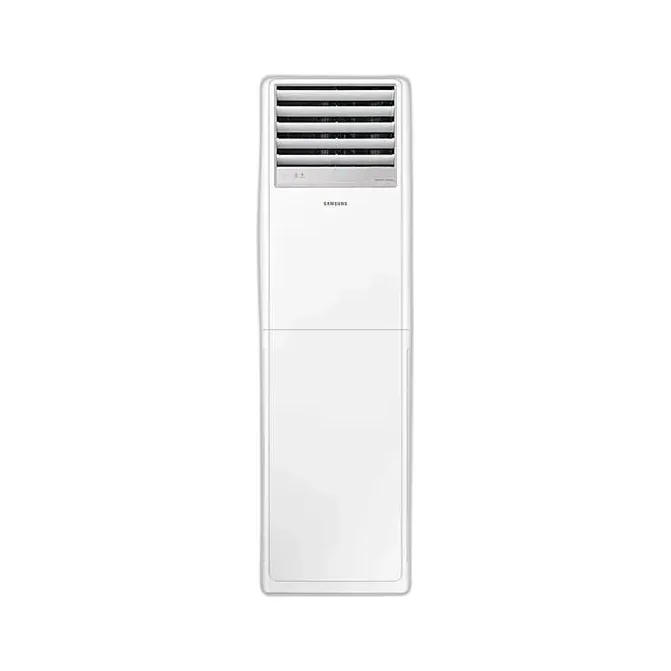
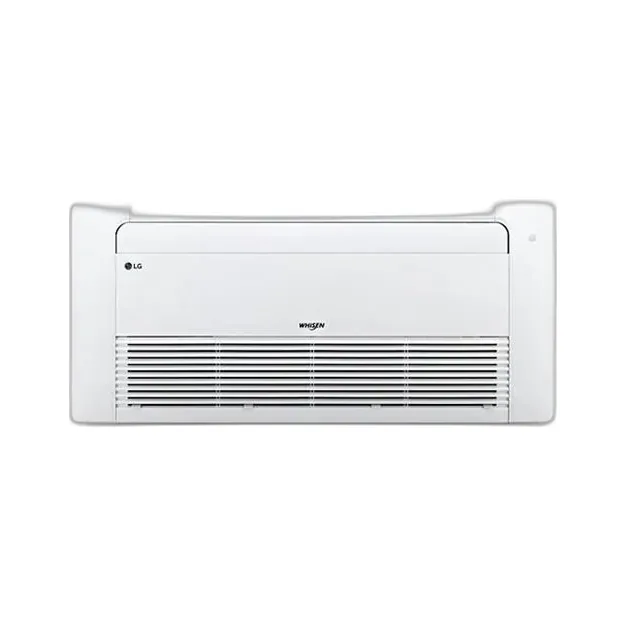
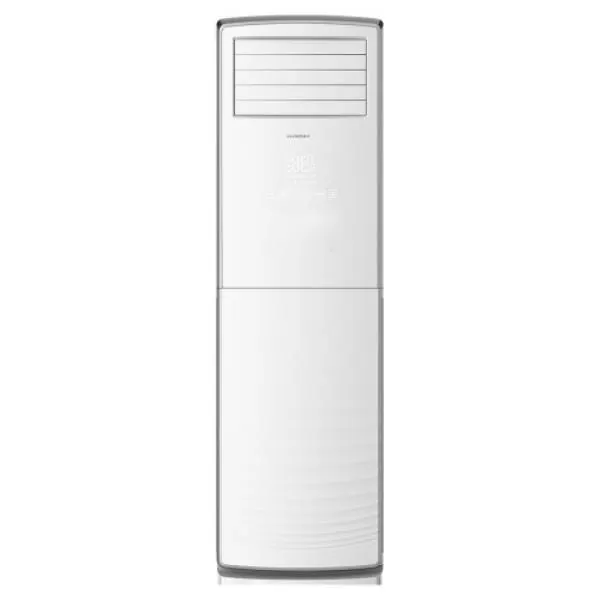
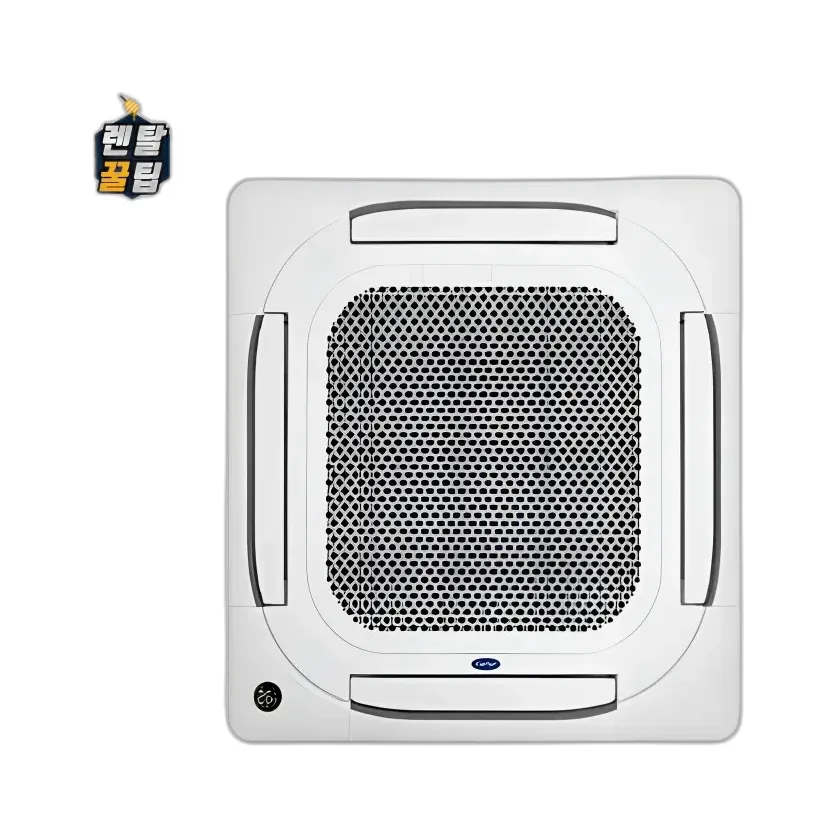
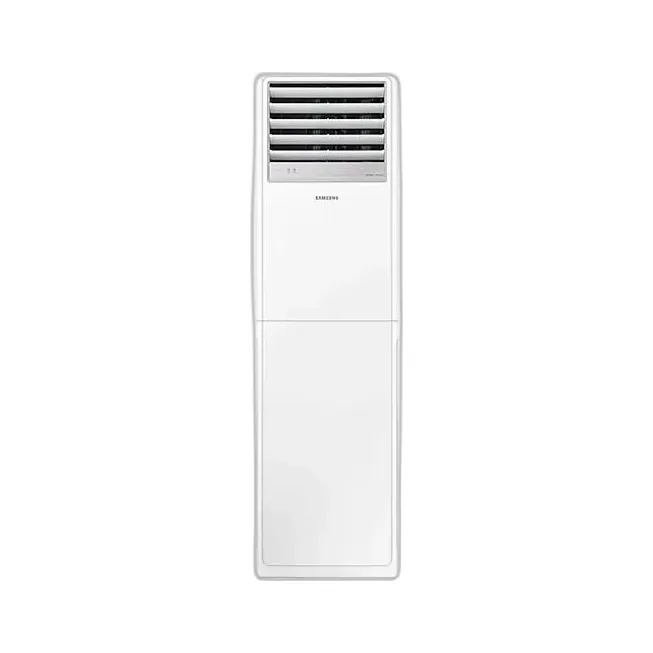
Browse by brand
- Carrier 25 models available to rent now
- LG 8 models available to rent now
- Samsung 8 models available to rent now
- 윈세이 5 models available to rent now
Browse by monthly price
- From ₩20,800/mo 2 models available to rent now
- From ₩30,100/mo 7 models available to rent now
- From ₩51,900/mo 38 models available to rent now

Frequently asked questions
What is the difference between a heating-cooling unit and a regular air conditioner?
A regular air conditioner only cools. A heating-cooling unit is a heat pump that runs in both directions, so the same wall unit cools in summer and heats in winter. In Korea these models are labeled 냉난방기, and they are the common choice for spaces that do not have floor heating of their own — shops, offices and studio rooms.
Can foreigners rent one — for a shop or a home?
Usually yes, but each rental company sets its own conditions: residence card and remaining stay for a home, business registration for a shop, sometimes a Korean bank account. Because it differs by company, the exact requirement is confirmed during the consultation before anything is signed. SETKORA is a rental broker — we connect you with the rental company and are not the contracting party.
How do I pick the right capacity?
Units are sized by pyeong, the Korean floor-area unit, and an undersized unit runs nonstop while still missing the target temperature. Tell us the floor area and ceiling height of your space during the consultation and the capacity gets matched to it — for shops whose doors open often, going one size up is a common recommendation to discuss.
Rental, subscription, lease — what is the difference?
Mostly the name. You pay a monthly fee to use the appliance, and when the contract term ends you either keep it or return it. Korean brands label the same structure 'rental', 'subscription' or 'membership'. What actually differs is the contract length, the monthly fee and whether installation is included — that varies by product and is confirmed during consultation.
How long is the contract, and what if I cancel early?
Most items listed here run on a 60-month contract; some are 36, 48 or 72 months. Cancelling early can trigger a settlement for the remaining term, and the amount and method follow the rental company's own terms. We confirm the exact contract conditions for your item during consultation, before you apply.
People also rent
- Boiler & Water Heater Rental in Korea for Foreigners
- Humidifier Rental in Korea for Foreigners
- Water purifier Rental in Korea for Foreigners
- Air conditioner Rental in Korea for Foreigners
- Air purifier Rental in Korea for Foreigners

SETKORA is a rental broker (통신판매중개자), not the contracting party. Prices shown assume a contract term; where noted, a card-spending condition applies. Final terms are confirmed during consultation.